
- Introduction
- Mistake 1: Choosing the Wrong Soil Model
- Mistake #2: Entering Incorrect Soil Parameters
- Mistake #3: Misconfiguring Drained and Undrained Conditions
- Mistake #4: Overlooking Groundwater Conditions
- Mistake #5: Setting Improper Initial Stress and Boundary Conditions
- Quick Checklist Before Running a PLAXIS Analysis
- Conclusion
- FAQs
Introduction
Deciding to set up a PLAXIS model requires more than just entering soil data and running simulations. Small mistakes in soil model selection, parameter inputs, groundwater conditions, and boundary settings can significantly affect the accuracy of your PLAXIS analysis. In this guide, we explore the five most common mistakes engineers make when setting up soil models in PLAXIS 2D and how to avoid them for more reliable and accurate results.
Mistake 1: Choosing the Wrong Soil Model
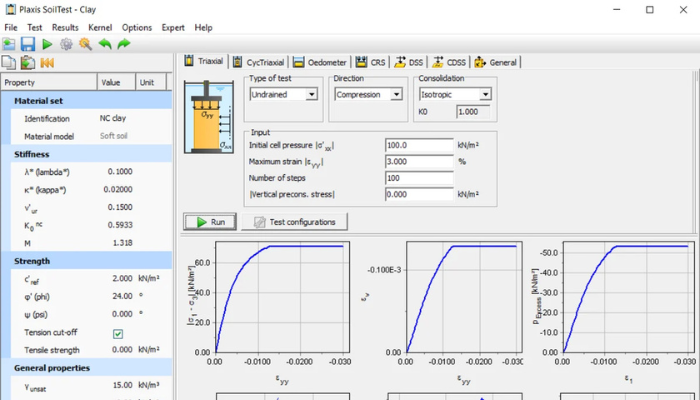
The most common mistake that engineers and PLAXIS users usually make is at the time of soil model selection. Soil model selection is the most important step, which can either make or break your results. A wrong selection can bring safety concerns and poor design decisions.
Why does soil model selection matter?
Soil model selection matters as different soil models tend to behave differently under different conditions. Engineers need to match the model to the soil behaviour.
How should I choose the right soil model?
To get the right soil model, understand the soil type, available lab data, and the project goal. For PLAXIS 2D slope stability, choose the simplest soil model that represents real behaviour well and supports a clear, defensible analysis.
Mistake #2: Entering Incorrect Soil Parameters
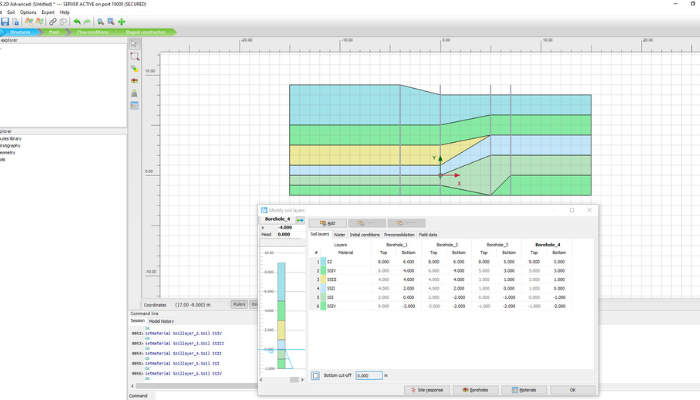
The second most common mistake engineers make when setting up a soil model is choosing the incorrect soil parameters. Engineers need to be sure about choosing the right soil parameters, as one small error or inaccuracy can change the entire outcome and can be concerning, as safety concerns are involved
What are some of the frequently misused parameters in PLAXIS
Some of the most misused parameters are incorrect stiffness values, strength parameters, or unit weights. These inputs are easy to overlook, but they strongly control how the soil responds in the analysis.
How inaccurate inputs affect analysis results
Wrong parameters can make the ground look stronger, weaker, stiffer, or more stable than it really is. This can distort slope behaviour, reduce trust in the results, and lead to poor design decisions.
How can I validate the accuracy of the soil parameters?
Ensure you have a double-check of the lab data and field data. A well-validated soil model in a PLAXIS model gives results that are far more credible and useful.
Mistake #3: Misconfiguring Drained and Undrained Conditions
The third common mistake that engineers make is not understanding the consequences of using a drained and undrained setting, which can create uneven soil response. A wrong choice can distort the soil model and may lead to inaccurate deformation.
What is the difference between drained and undrained analysis
Drained analysis allows water to move out of the soil over time, while undrained analysis assumes the soil cannot drain during loading.
Tips to avoid incorrect soil behaviour predictions
Some tips to follow include always checking the soil type, loading speed, and groundwater conditions before selecting the analysis type.
Read More: PLAXIS Software Guide: Features, Uses, 2D vs 3D & Applications
Mistake #4: Overlooking Groundwater Conditions
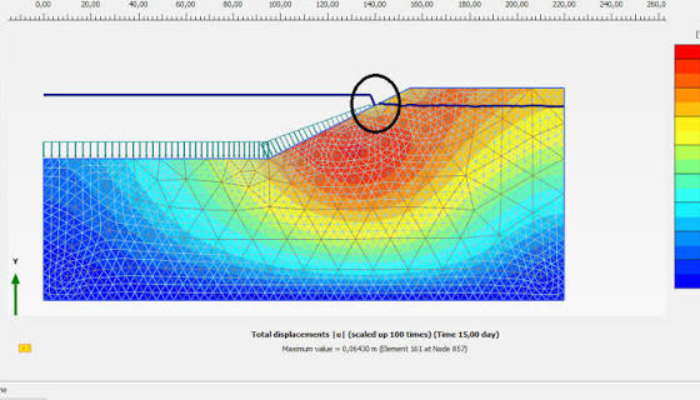
Another common mistake in PLAXIS 2D slope stability is not recognising that groundwater can significantly impact the results if the soil model does not accurately reflect the correct pore pressure and water content. As a result, the PLAXIS model may yield unrealistic safety and deformation estimates.
What are some of the Common groundwater modelling mistakes to avoid?
A common mistake is ignoring the water table, using the wrong phreatic line, or not updating groundwater conditions for the site. These errors can make the model too stable or too risky.
How can a proper groundwater setup improve analysis accuracy?
A proper groundwater setup can help improve the reliability of the soil model and give more trustworthy results in PLAXIS 2D slope stability.
Mistake #5: Setting Improper Initial Stress and Boundary Conditions
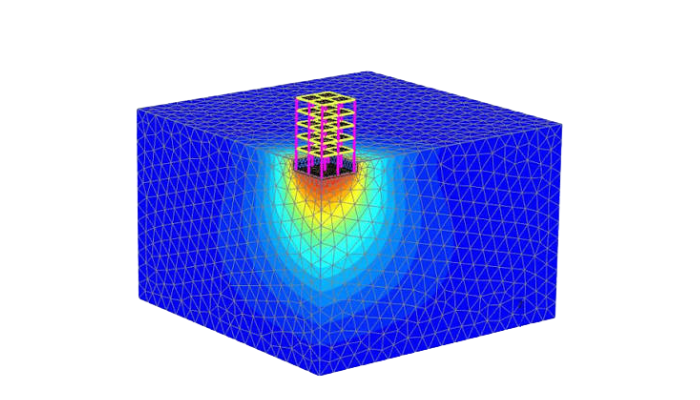
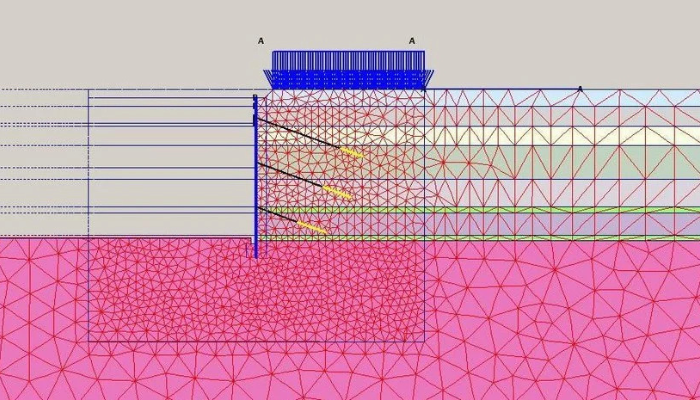
Last but not least, the most common mistakes which engineers tend to make at the time of setting up soil models in PLAXIS 2D are not understanding the initial stress and boundary conditions. If the initial conditions are wrong, the soil model will produce unrealistic settlements, movements, and safety values
Common boundary condition errors
A common mistake is placing boundaries too close to the slope or restricting movement too much. This can trap soil behavior and create false stability or extra deformation.
Recommended setup practices
Keep boundaries far enough from the area of interest and verify initial stress carefully before running the model. A properly set PLAXIS model gives more accurate and dependable slope stability results.
Quick Checklist Before Running a PLAXIS Analysis
Before starting PLAXIS 2D slope stability, make sure the soil model is appropriate for the site conditions. Some of the quick checklists to keep in mind before running a PLAXIS analysis are
- Verify soil model selection
- Review soil parameters
- Check groundwater settings
- Validate boundary conditions
- Review analysis stages
Conclusion
When considering building a successful PLAXIS 2D slope stability model, the study mainly depends on how you create a model. Avoiding common mistakes like overlooking groundwater effects, setting improper initial stress, etc can impact results
Before relying on any PLAXIS model, engineers should carefully review all assumptions, inputs, and analysis stages. A well-validated model improves the accuracy of PLAXIS analysis, reduces the risk of design errors, and provides greater confidence in engineering decisions.
Avoid common modelling mistakes and build accurate geotechnical models with the PLAXIS 2D/3D Course Online by PIGSO LEARNING. Gain hands-on training, real-world project experience, and expert guidance to confidently apply PLAXIS 2D in engineering projects.
FAQs
What is the best soil model for PLAXIS 2D?
There is no single best soil model for every project in PLAXIS 2D. The correct choice of soil model depends on the soil type, the available test data, and the level of accuracy required to sustain a PLAXIS model.
How do soil parameters affect PLAXIS analysis?
Selecting the correct model and parameters determines whether the finite element analysis accurately mirrors real-world deformation and stability. Values like strength, stiffness, and unit weight directly affect settlement, deformation, and slope stability. If the inputs are incorrect, the PLAXIS analysis can yield misleading results, even when the soil model is accurate.
Why are groundwater conditions important in PLAXIS 2D?
A proper groundwater setup makes the PLAXIS model more realistic and improves the accuracy of the PLAXIS analysis.
What are the most critical parameters to validate before running a PLAXIS analysis?
The most important items to check are the soil model, soil parameters, groundwater conditions, boundary settings, and stage sequence. These inputs shape the full PLAXIS model and determine whether the PLAXIS analysis reflects actual site behaviour. A quick validation before running the model can prevent major errors later.

Simran Shekhawat is an experienced SEO content writer with three years of hands-on experience in crafting high-impact digital content. With a strong command of search engine optimisation practices, she specialises in creating content that not only reads well but also ranks effectively. Her expertise encompasses keyword research, topic clustering, on-page SEO, content strategy, and crafting copy that aligns with both user intent and brand objectives.