Introduction
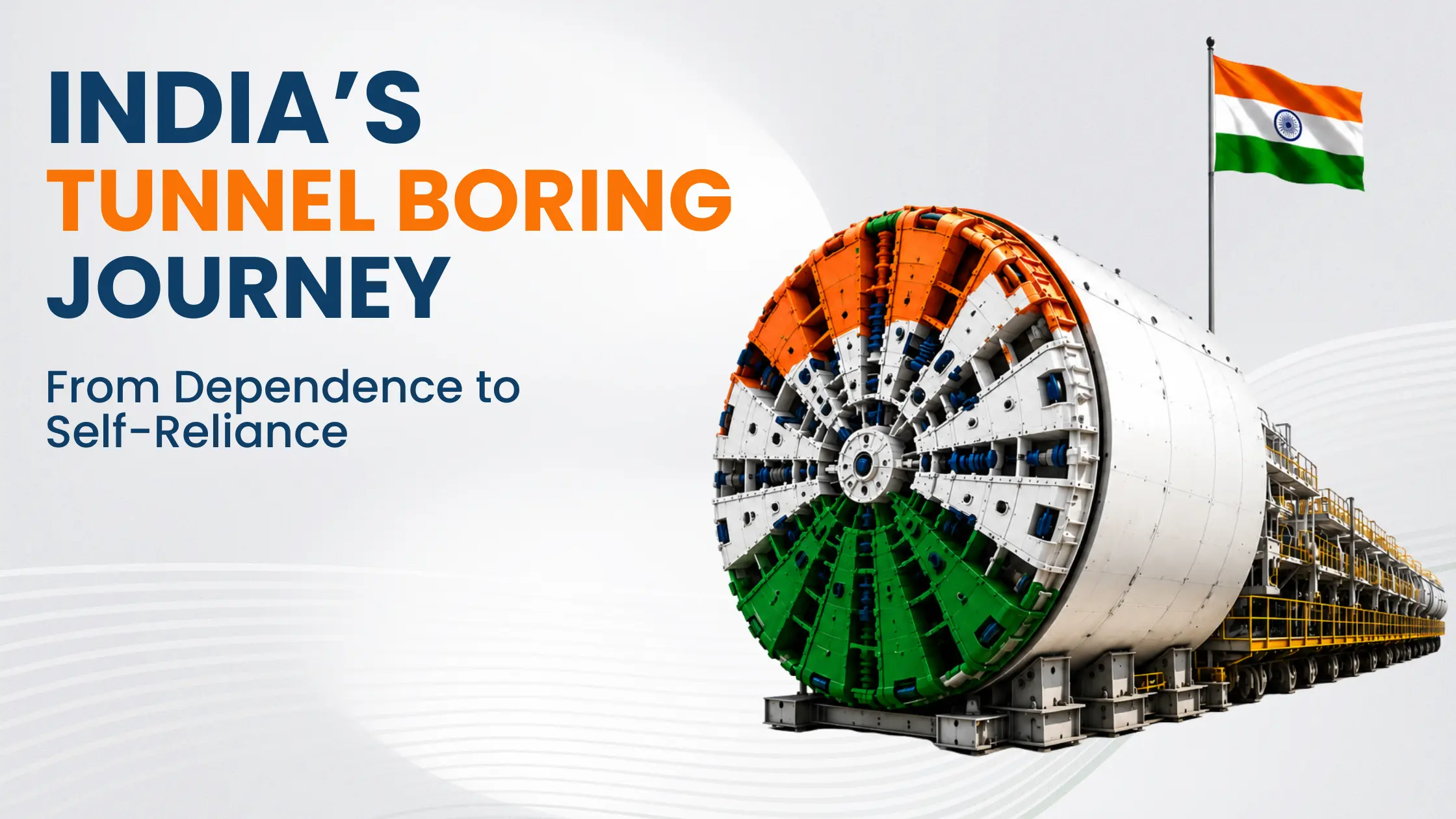
India’s infrastructure growth over the past decade has been remarkable, with metro networks, underground tunnels, and high-speed rail projects expanding rapidly. At the heart of these developments lies one critical technology, the Tunnel Boring Machine (TBM). These advanced machines make it possible to construct tunnels safely beneath cities, rivers, and challenging geological conditions. However, for many years, India has relied heavily on foreign countries for this technology.
The Challenge of Foreign Dependence
Most of the TBMs used in India have traditionally been imported from countries like Germany and China. This dependency created serious challenges, especially during geopolitical tensions. A major example was seen during the Mumbai–Ahmedabad bullet train project, where TBMs manufactured by a German company were delayed because they were being shipped via China. Due to restrictions and diplomatic issues, the machines were held up, causing delays in project timelines.
Such incidents exposed a critical gap in India’s infrastructure strategy—while the country had the vision and projects ready, it lacked control over essential construction technology.
Impact on Infrastructure Projects
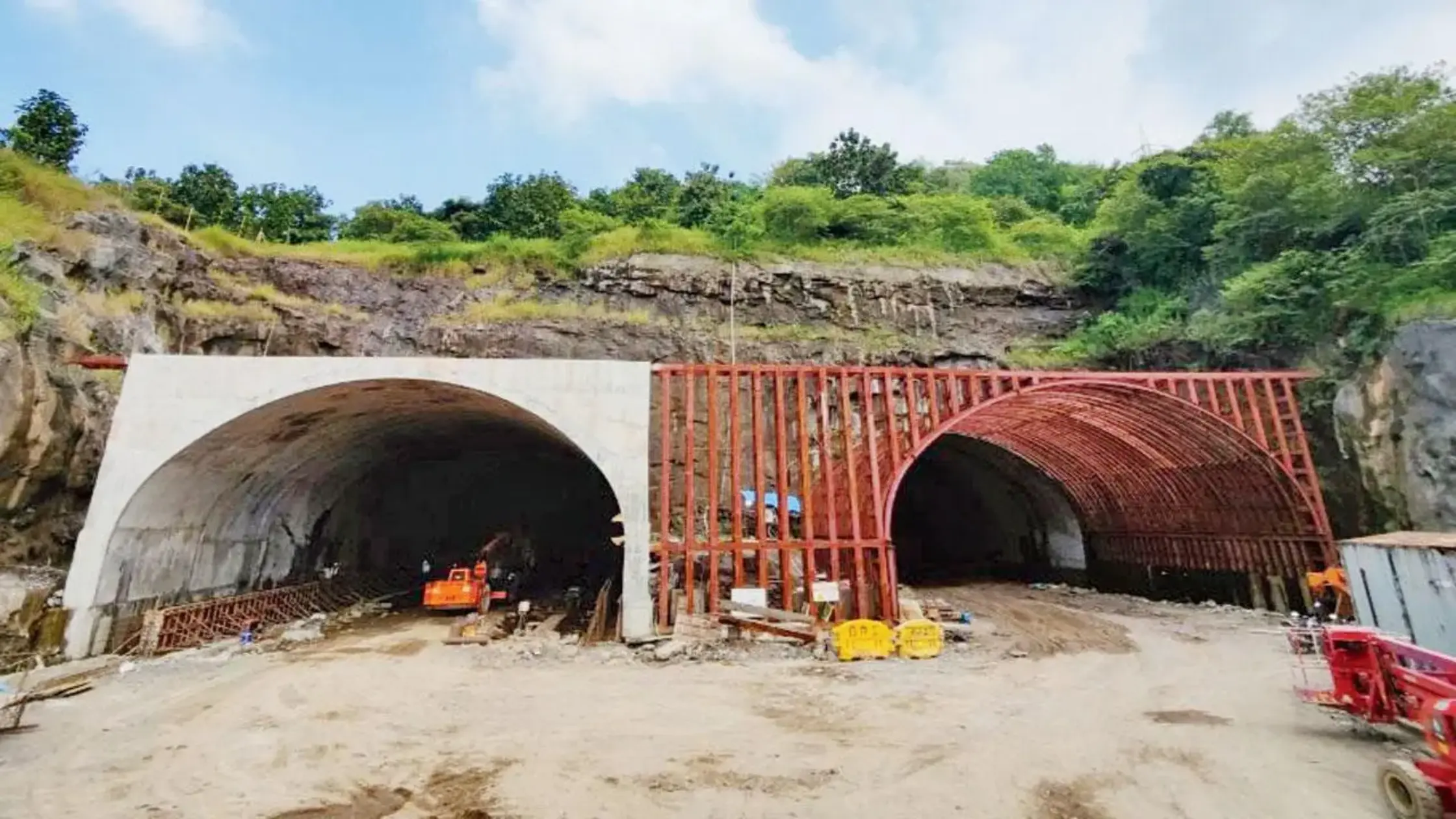
The delay of TBMs directly affected major projects, including metro developments and India’s ambitious bullet train corridor. Since TBMs are highly specialised machines, even a small delay in delivery can halt entire tunnelling operations. This not only increases project costs but also slows down overall urban development. For a rapidly growing country like India, such disruptions can have long-term consequences.
Shift Towards Self-Reliance
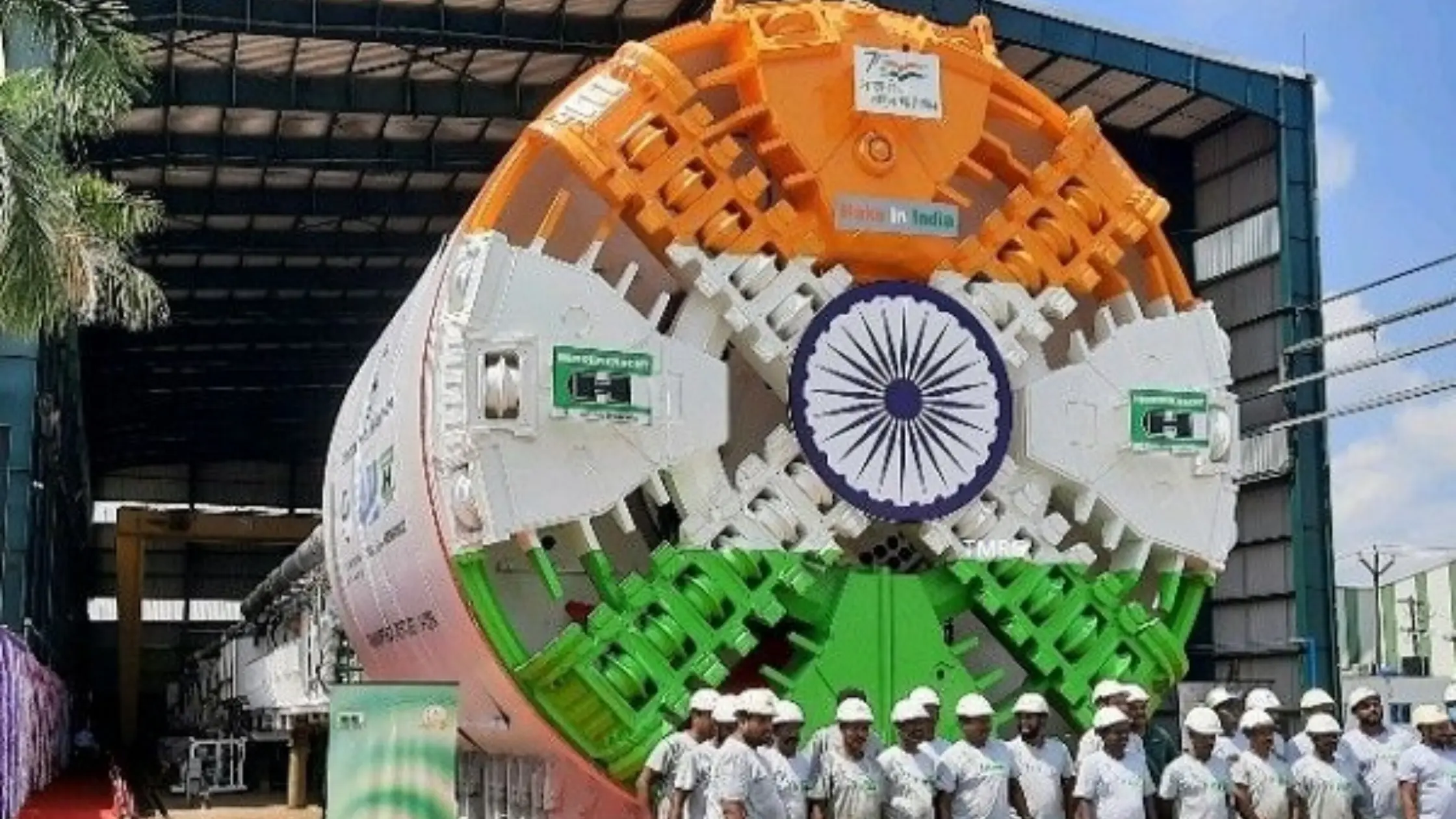
Recognising these challenges, India has started focusing on developing its own TBM manufacturing capabilities. Public sector companies and private players are now working toward designing and producing these machines domestically. At the same time, global manufacturers are setting up production units in India, helping transfer knowledge and reduce dependency on imports.
Conclusion
As of 2026, India is steadily moving toward self-reliance in tunnel construction technology. While complete independence may take time, the shift has already begun. This transformation is not just about machines; it represents India’s broader goal of becoming technologically strong and infrastructure-ready for the future.
Learn Tunnel Engineering with PIGSO LEARNING
Build real-world skills in tunnel design, analysis, and simulation with PIGSO LEARNING and get ready to work on metro, rail, and underground infrastructure projects.

Mayank Panchal is the founder of PIGSO Learning. He has many years of experience in teaching, curriculum development, and instructional designer in civil engineering, Mathematics, and digital marketing space. His passion for conceptual and deep research-based learning helps to understand the subject in depth.